How to Dry Filament (and When You Actually Need To)
Wet filament causes stringing, rough surfaces and weak parts. Here is how to spot it, three ways to dry it, typical temperatures, and how to keep spools dry afterwards.
By Sepehr Sabbagh-pour · Published 10 October 2026 · 2 min read
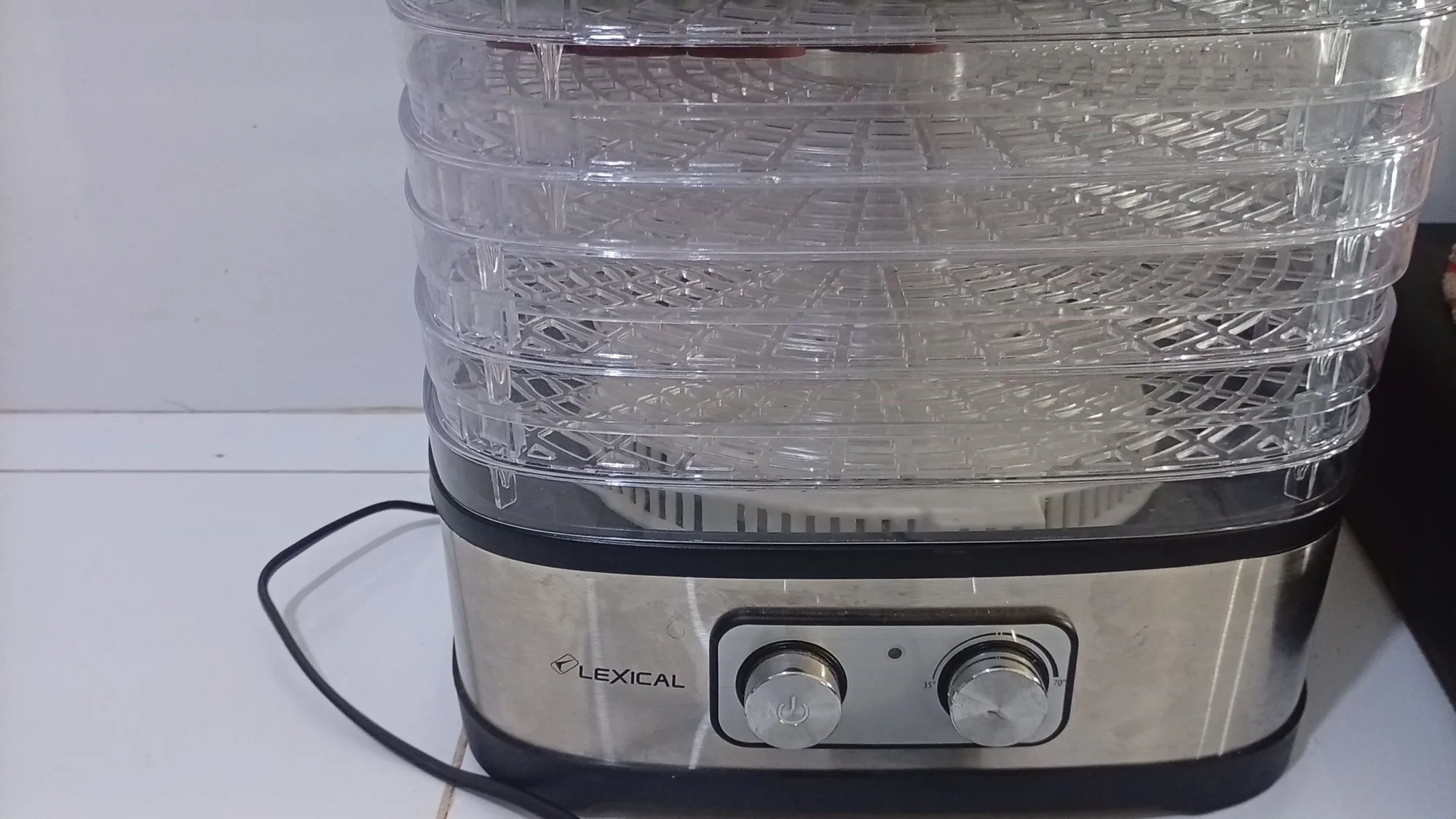
Most filament absorbs moisture from the air. When wet plastic reaches a hot nozzle, the water flashes to steam, and you see the result in the print. UK humidity makes this a real issue for a spool left out for a few weeks, so it is worth knowing how to check and fix it.
Signs your filament is wet
- Crackling, popping or hissing at the nozzle.
- Fine strings and blobs that do not go away with retraction tuning (see stringing).
- A rough, fuzzy or bubbly surface and weak layer bonding.
- Filament that snaps easily when you bend it, especially nylon and PLA that has been stored badly.
- Steam or tiny bubbles visible at the nozzle tip as it extrudes.
None of these is proof on its own, but together they point at moisture. Rule it out before adjusting temperatures or retraction.
Three ways to dry it
- A filament dryer. A heated, enclosed box with a thermostat and timer, many of which let you print straight from the box. It is the most predictable method.
- A food dehydrator. Often cheaper and big enough for a couple of spools. Use one with a thermostat that actually holds a low temperature.
- A kitchen oven. We do not recommend it. Many ovens are poor at holding low temperatures and can overshoot, which warps spools and softens plastic.
Typical drying temperatures
These are approximate; the manufacturer’s guidance on the spool or box comes first.
| Material | Temperature | Time |
|---|---|---|
| PLA | about 45 to 55°C | 4 to 6 hours |
| PETG | about 60 to 65°C | 4 to 6 hours |
| ABS / ASA | about 65 to 80°C | 4 hours or more |
| TPU | about 45 to 55°C | 4 to 6 hours |
| Nylon and similar | about 70 to 80°C | 8 to 12 hours |
Do not exceed the temperature your spool and the plastic itself can tolerate. PLA especially softens at modest temperatures, so err low and go longer.
Keep it dry afterwards
Drying is wasted if the spool goes back into a damp room. Store spools in an airtight box or a vacuum bag with fresh desiccant, and add a small hygrometer to see the humidity inside. Many people aim for relative humidity below roughly 20% for the more sensitive materials. Print straight from a dry box for nylon and PVA-type supports.
A quick check. Print a small test, listen for crackling, and look at the surface. Dry the spool, print the same test again, and compare. If it is better, you have your answer.
Frequently asked questions
Does PLA really need drying?
Not as urgently as nylon, but PLA does absorb moisture and old or poorly stored spools can string and print roughly. If a spool that used to behave starts crackling, a gentle dry often fixes it.
How long does dried filament stay dry?
It depends on humidity and how the spool is stored. In an open room it can re-absorb moisture within days to weeks; in an airtight box with desiccant it can stay dry for months.
Can I dry filament in a normal oven?
We advise against it. Domestic ovens often cannot hold the low temperatures filament needs and can overshoot, which damages the spool. A dryer or a thermostat-controlled dehydrator is safer.

Founder and editor
Software engineer since 2009 and Head of Engineering by day, a maker who has owned several 3D printers, writing practical guides to 3D printers, filament and running costs, with every article saying what was and was not tested.
Keep reading
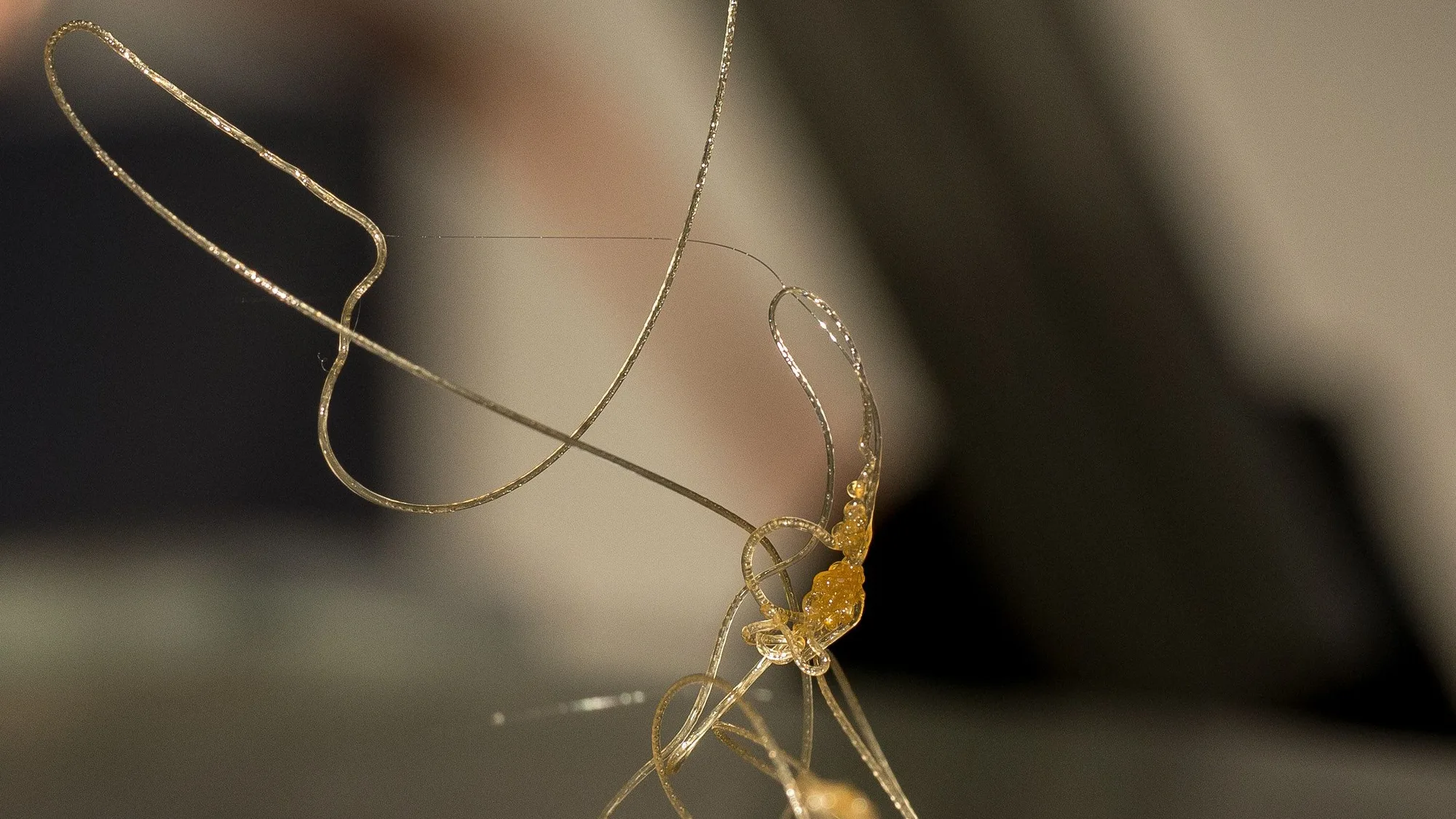
Stringing in 3D Printing: Why It Happens and How to Stop It
Stringing is rarely one problem. Work through the causes in this order: moisture, temperature, retraction, then travel moves, testing as you go.
10 October 2026 · 2 min read
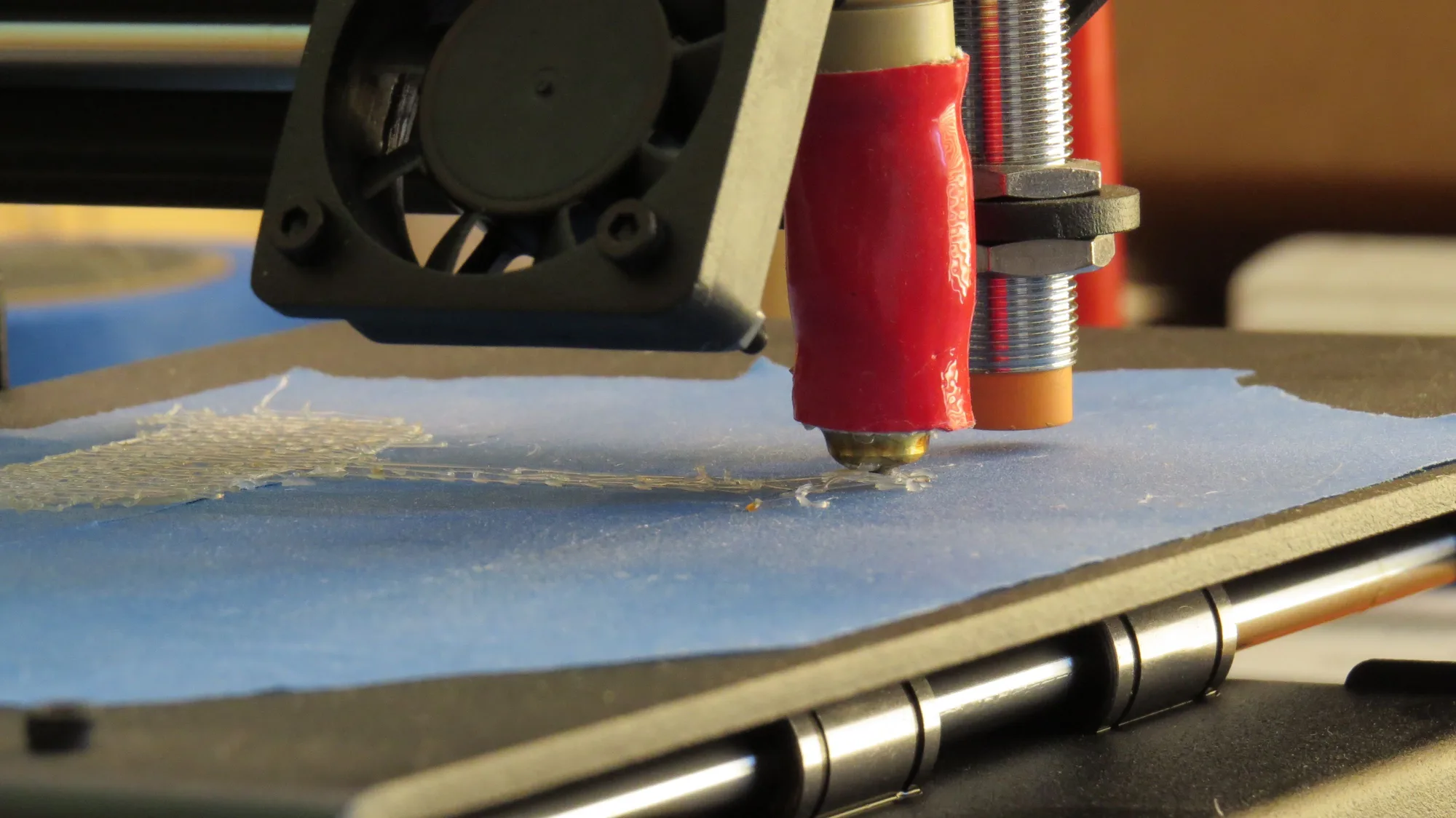
How to Fix a Bad First Layer: A Step-by-Step Checklist
Most failed prints are decided in the first two minutes. Here is the order to check things in, what each symptom means, and the quick test that tells you when it is fixed.
10 October 2026 · 3 min read
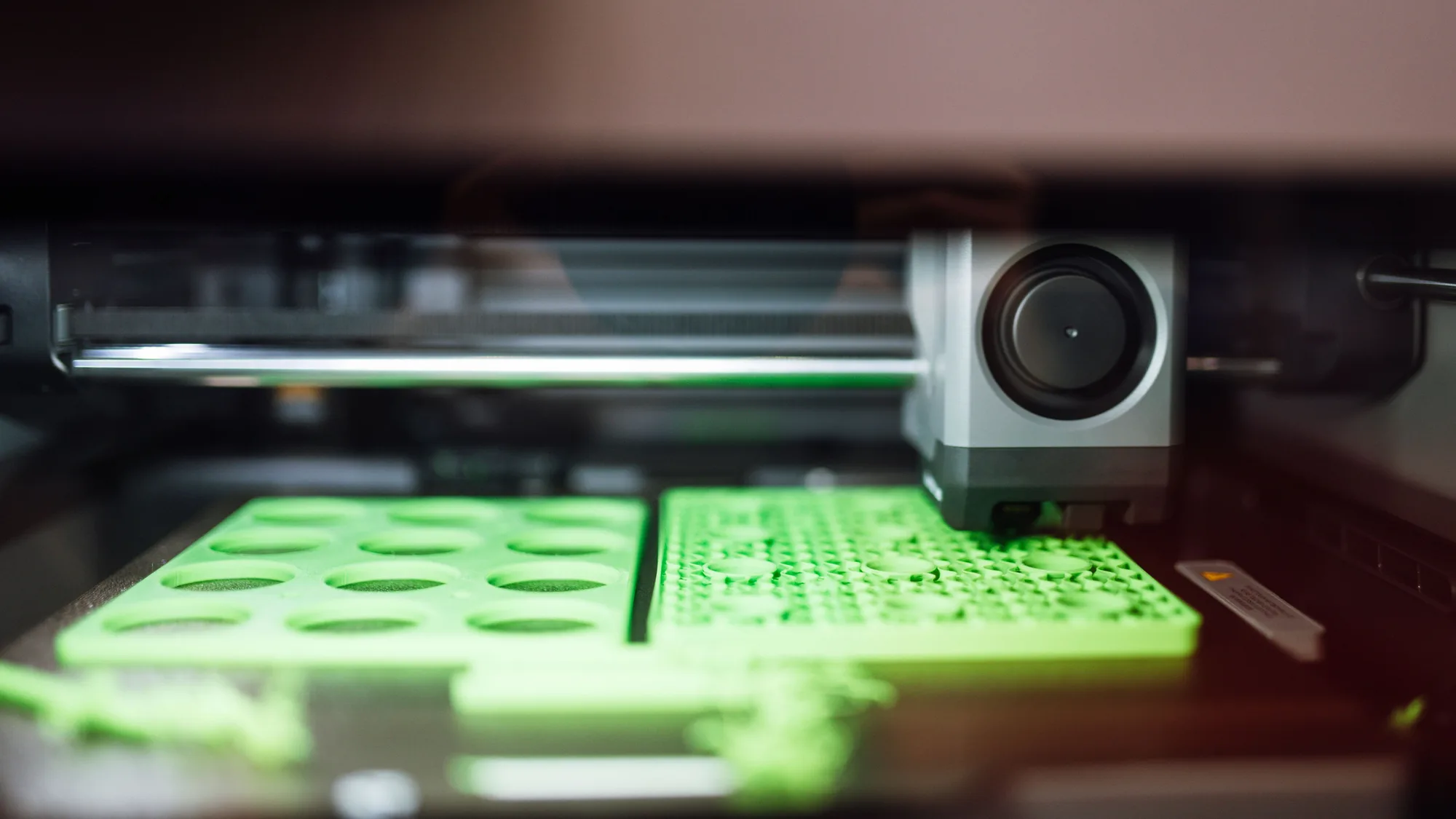
How to 3D Print: Your First Print, Step by Step
Everything between the box and a finished first print, in the order to do it: set up, load filament, check the first layer, slice, print and remove it safely.
10 October 2026 · 6 min read