ASA vs ABS: Differences and When to Choose Each
ASA is the UV-stable successor to ABS with less warping and odor. Here is how they compare on temperature, outdoor use, printing and finishing.
By Sepehr Sabbagh-pour · Published 10 October 2026 · 7 min read
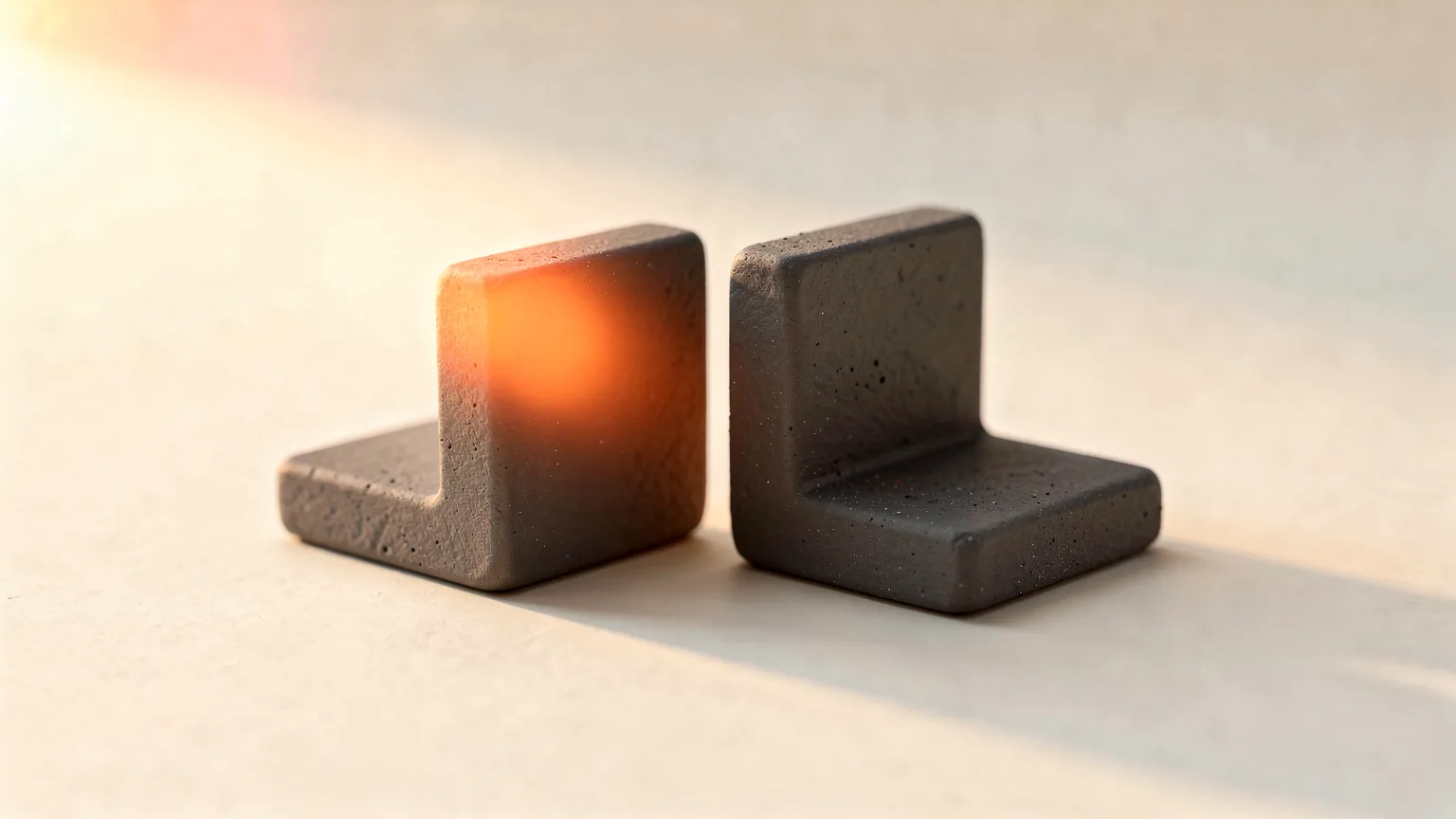
ASA is often described as the successor to ABS. It prints at similar temperatures and warps in similar ways, but it resists sunlight, warps less and smells less. This page compares the two using Prusa's material guides and Prusament data. It is research from manufacturer documentation, not our own print tests, and the price gap is not covered because we could not verify a like-for-like pair.
The short answer
- Choose ASA for parts that live outdoors or in sunlight, or that sit in a warm place such as a car interior or near electronics.
- Choose ABS for indoor technical parts when you want a material that has been used for hobby printing for longer, and sunlight is not a concern.
- Both need an enclosure, ventilation and a hot bed. If you have an open-frame printer and want an easier tough material, read ABS vs PETG first.
ASA vs ABS side by side
Figures come from Prusa's ASA and ABS knowledge base articles, its filament material table and the Prusament ASA page. Brands differ, so the label on your spool takes priority.
| ASA | ABS | |
|---|---|---|
| Nozzle temperature | 260 °C recommended; 220 to 275 °C in Prusa's table | 255 °C recommended; 230 to 255 °C in Prusa's table |
| Bed temperature | 105 °C first layer, 110 °C after; 90 to 110 °C in Prusa's table | 100 °C recommended; 80 to 110 °C by object size |
| Enclosure | Recommended; Prusa says one is necessary for large parts | Recommended |
| UV resistance | High; Prusament says it will not turn yellow | Slightly worse; turns yellowish and brittle outdoors |
| Warping | Significant, but less than ABS | More significant |
| Fumes and odor | Potentially dangerous fumes (styrene), less noticeable than ABS | Potentially dangerous fumes (styrene), stronger odor |
| Temperature resistance | Up to about 93 °C, per Prusa and Prusament | Described as good; Prusa gives no number |
| Stringing | Detailed prints with no stringing, per Prusa | Not flagged |
| Acetone | Smooths and glues with acetone | Smooths and glues with acetone |
| Moisture | Partially hygroscopic | Not flagged on Prusa's page |
UV resistance and outdoor use
This is the main reason to pay attention to ASA. Prusa says that, compared with ABS, ASA is more UV resistant, warps less and does not smell as much, and calls it suitable for outdoor use. For ABS, Prusa says parts used outdoors turn yellowish and more brittle over time. Prusament describes ASA as UV stable and says it will keep its toughness and not yellow for a long time. Typical outdoor jobs are garden fixtures, bike parts, signs and housings.
Heat resistance
Prusa gives ASA a temperature resistance of up to 93 °C and says Prusament ASA shows no deformation up to temperatures near 93 °C. Prusa's ABS page calls its high-temperature resistance good but gives no figure. Treat 93 °C as a ceiling and leave a margin for parts under load, and check the data sheet of the filament you buy.
Warping and printing conditions
Neither is easy. Prusa lists significant warping as the main disadvantage of ASA, caused by the temperature difference between the model and the room, and says an enclosure is necessary for large parts. For ABS it also lists significant warping and says an enclosure is required. Prusament notes that even with the bed at 110 °C, large ASA prints can shrink and warp and detach, though much less than ABS, and says an enclosure or a tall skirt helps.
Both materials share the same tactics: a bed of at least 100 °C, no drafts, a draft shield if you lack an enclosure, and ventilation without a draft around the print. Prusa also warns that printing a lot of either material in an unventilated enclosure can deform the fan shroud and extruder plastic parts. See enclosed vs open-frame printers for what an enclosure gives you, and ABS print settings. If your prints crack between layers, fix ABS cracking applies to ASA too.
Bed surface and finishing
Both can grip a smooth PEI sheet hard, so Prusa recommends a glue stick on the smooth or powder-coated PEI sheet for each. ASA sticks very well to Prusa's sheets; on glass, Prusa says it may need a layer of acetone with dissolved ASA or ABS. It warns against putting acetone or ABS and ASA juice on powder-coated sheets.
Finishing is almost identical. Both sand wet or dry, glue with acetone and smooth with acetone vapors to a glossy surface. Prusa says smoothed objects usually lose detail and sharp edges.
Safety
Prusa says both materials release potentially dangerous fumes during printing, so run them in a well-ventilated area and avoid creating a draft around the print. Prusament notes that ASA contains styrene and produces odors, though less than ABS. Follow the filament maker's guidance and Safety Data Sheet. Our 3D printer safety basics page gives general precautions.
Which should you pick?
A simple rule. If the part might see the sun, pick ASA. If it never will, either works, and ASA's lower warping makes it the slightly friendlier choice if the prices are close. Check current listings, since we have not verified prices for both.
For a wider look at material options, read PLA vs PETG vs ABS vs TPU, or PETG vs PLA if you do not need an enclosed printer.
Frequently asked questions
Is ASA better than ABS?
For outdoor and sunlight use, yes: Prusa says ASA is more UV resistant, warps less and smells less. For indoor technical parts the two are similar, and both need an enclosure and ventilation.
Does ASA need an enclosure like ABS?
Yes for most prints. Prusa says an enclosure is necessary for large ASA parts and keeps the printer in a higher ambient temperature; without one, a draft shield in the slicer can reduce warping.
Can you smooth ASA with acetone?
Yes. Prusa says ASA dissolves in acetone, so it can be smoothed with acetone vapor or glued with acetone, just like ABS. Smoothing usually loses fine detail and sharp edges.
Is ASA safe to print?
Prusa says ASA releases potentially dangerous fumes during printing and should be used in a well-ventilated area. Follow the filament maker's guidance and Safety Data Sheet.
Sources

Founder and editor
Software engineer since 2009 and Head of Engineering by day, a maker who has owned several 3D printers, writing practical guides to 3D printers, filament and running costs, with every article saying what was and was not tested.
Keep reading
PLA vs PETG vs ABS vs TPU: Which Filament Should You Use?
Four materials cover most home printing. Here is what each is good at, what it demands from your printer, and how to choose without overthinking it.
10 October 2026 · 2 min read
0.2, 0.4 or 0.6 mm? What Nozzle Size Actually Changes
The standard 0.4 mm nozzle is a good all-rounder, but swapping size trades detail for speed and strength. Here is what changes and what to watch for.
10 October 2026 · 2 min read
ABS vs PETG: Which Should You Print With?
ABS and PETG are both tougher than PLA. PETG prints easily on open printers; ABS needs an enclosure but can be smoothed with acetone. Here is how to choose.
10 October 2026 · 7 min read