PLA vs PETG vs ABS vs TPU: Which Filament Should You Use?
Four materials cover most home printing. Here is what each is good at, what it demands from your printer, and how to choose without overthinking it.
By Sepehr Sabbagh-pour · Published 10 October 2026 · 2 min read
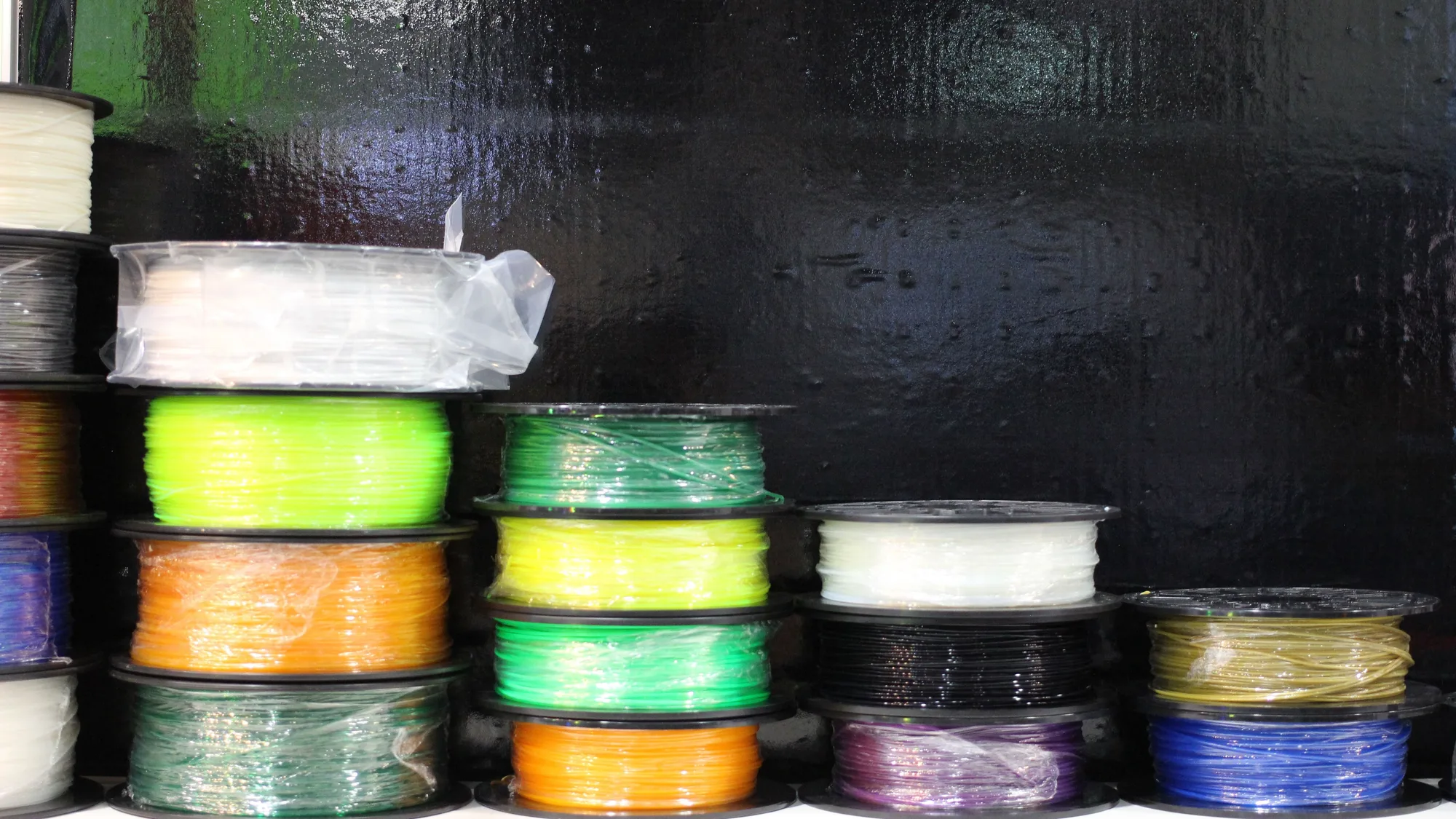
Most home 3D printing uses one of four filaments. They behave very differently, and picking the right one saves failed prints. This is a practical comparison, not a lab test: the figures are typical ranges, and your spool label should always win.
The quick comparison
| Material | Difficulty | Character | Heat resistance | Best for |
|---|---|---|---|---|
| PLA | Easiest | Stiff, sharp detail, brittle under shock | Low: softens at roughly 55 to 60°C | Models, prototypes, display pieces |
| PETG | Moderate | Tougher, slightly flexible, good layer bonding | Medium: roughly 70 to 80°C | Functional parts, brackets, outdoor-ish use |
| ABS / ASA | Harder | Strong, impact-resistant, can be smoothed with acetone (ABS) | Higher: around 90 to 100°C | Parts near heat, car interiors, tough housings |
| TPU | Moderate to hard | Flexible, rubbery, abrasion-resistant | Varies by grade | Gaskets, grips, bumpers, phone cases |
Typical print temperatures
These ranges are only a starting point; every brand and colour differs a little.
| Material | Nozzle | Bed | Enclosure |
|---|---|---|---|
| PLA | 190 to 220°C | 50 to 65°C | Not needed |
| PETG | 225 to 250°C | 70 to 85°C | Helpful, not essential |
| ABS / ASA | 230 to 260°C | 90 to 110°C | Strongly recommended |
| TPU | 210 to 235°C | 30 to 60°C | Not needed |
PLA: the default
PLA prints at low temperatures, barely warps and holds fine detail, which is why it is the sensible first spool. Its weakness is heat. A PLA part left on a car dashboard on a warm UK day can sag or deform, so keep it away from hot places.
PETG: the practical upgrade
PETG gives you tougher parts with a little give, and it copes with moisture and many chemicals better than PLA. It tends to string, and it likes slower speeds and a well-tuned first layer. If strings are your problem, see how to stop stringing.
ABS and ASA: for heat and toughness
ABS is strong and heat-tolerant but shrinks as it cools, so it warps and cracks on open printers. ASA behaves similarly and adds UV resistance, which makes it better outdoors. Both give off noticeable fumes while printing, so use them in a well-ventilated space and follow the manufacturer’s guidance. If you plan to print these, an enclosed printer is worth it.
TPU: when it needs to bend
TPU is flexible, so the extruder can squash it if you push it too fast. Print slowly, and use a direct-drive extruder if you can. It is a niche material, but nothing else makes a good grip or gasket.
Where to start. Buy PLA first and get reliable first layers. Add PETG when you need a part that survives heat or knocks. Only buy ABS, ASA or TPU when a specific job calls for them. Remember that every filament should be stored dry; see how to dry filament.
Frequently asked questions
Is PETG better than PLA?
It is tougher and handles heat and moisture better, but it is harder to print cleanly and strings more. PLA is better for detail and ease, so neither is better overall: choose by the job.
Can I print ABS on an open-frame printer?
Sometimes for small parts, but warping and layer cracking are common because the plastic cools unevenly. An enclosure, a heated bed and no draughts make it far more reliable, and you should ventilate the room.
Which filament is the strongest?
It depends what kind of strength you need. Materials such as nylon, polycarbonate and carbon-fibre filled filaments can be stronger or more heat-resistant, but they are harder to print and need a dry, often enclosed setup, and abrasive ones need a hardened nozzle.

Founder and editor
Software engineer since 2009 and Head of Engineering by day, a maker who has owned several 3D printers, writing practical guides to 3D printers, filament and running costs, with every article saying what was and was not tested.
Keep reading
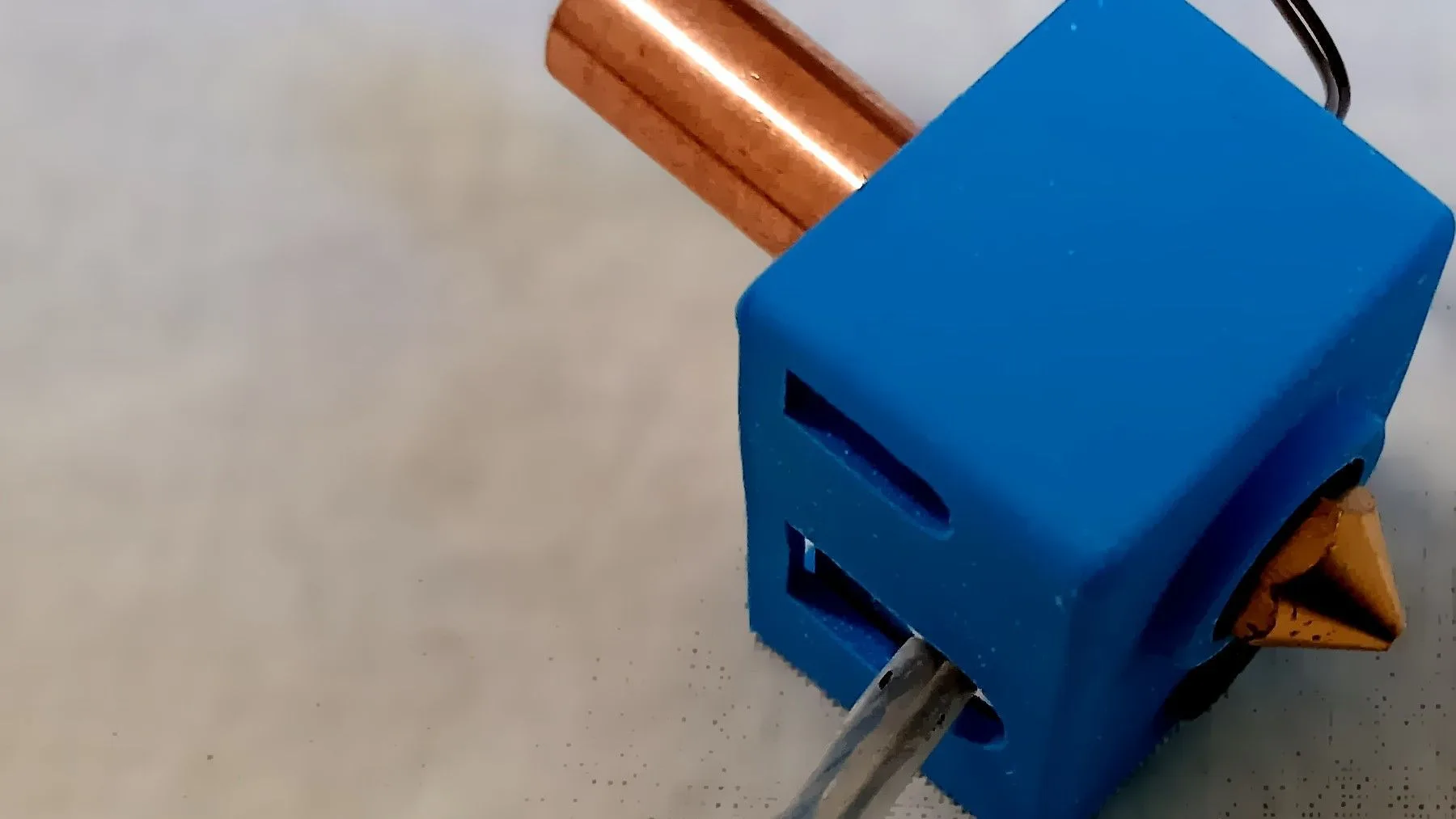
0.2, 0.4 or 0.6 mm? What Nozzle Size Actually Changes
The standard 0.4 mm nozzle is a good all-rounder, but swapping size trades detail for speed and strength. Here is what changes and what to watch for.
10 October 2026 · 2 min read
ABS vs PETG: Which Should You Print With?
ABS and PETG are both tougher than PLA. PETG prints easily on open printers; ABS needs an enclosure but can be smoothed with acetone. Here is how to choose.
10 October 2026 · 7 min read
ASA vs ABS: Differences and When to Choose Each
ASA is the UV-stable successor to ABS with less warping and odor. Here is how they compare on temperature, outdoor use, printing and finishing.
10 October 2026 · 7 min read