Electricity Cost per 3D Print: How to Work It Out
Electricity cost per 3D print is watts divided by 1,000, times hours, times your price per kWh. Use maker power figures, then check with a plug-in meter.
By Sepehr Sabbagh-pour · Published 10 October 2026 · 6 min read
Electricity is a small part of what a print costs, but it is easy to work out properly. You need three numbers: the printer's average power in watts, how long the print runs, and what you pay per kilowatt-hour (kWh). This guide shows the formula, uses power figures the printer makers publish, and explains how to measure your own. It is research-based and uses published specifications; it is not a measurement of any particular printer by us.
If you only read one thing. Cost = (average watts / 1,000) x print hours x price per kWh. Take the price from your bill, take the watts from a plug-in meter if you can, and treat a maker's maximum rating as an upper limit.
The formula
Electricity is billed in kWh: one kilowatt (1,000 watts) used for one hour.
- Convert watts to kilowatts: kW = watts / 1,000.
- Find the energy used: kWh = kW x hours.
- Multiply by your rate: cost = kWh x price per kWh.
In one line: cost = (watts / 1,000) x hours x price per kWh. Use your slicer's estimated print time for the hours. If you add the printer's standby draw when idle, count that separately.
What power figures do makers publish?
Makers rarely publish a typical draw. What they do publish falls into two kinds, and mixing them up is the most common mistake.
| Printer | Published figure | What it means |
|---|---|---|
| Original Prusa MK4S | 80 W (PLA settings), 120 W (ABS settings); 240 W power supply | Consumption figures by material setting, the closest to a typical draw |
| Bambu Lab A1 | Max power 350 W at 110 V, 1300 W at 220 V; input 100-240 VAC, 50/60 Hz | A maximum rating, reached only at peak load such as heating |
| Elegoo Saturn 4 Ultra (resin) | 24 V, 6 A power requirement (144 W) | The supply requirement, a ceiling for the printer, not an average |
The Prusa figures are listed on the product page as power consumption for PLA and ABS settings, which differ because bed and nozzle temperatures differ. The Bambu Lab specification sheet lists a maximum power, not an average. The Saturn 4 Ultra figure is the rated input of its power supply (24 V multiplied by 6 A), so a real print should draw less most of the time. These are specification numbers, not measurements from our own testing.
Worked examples
The examples use 18 cents per kWh, a round number close to the US residential average of 18.31 cents per kWh that the US Energy Information Administration (EIA) reported for July 2026 in its Electric Power Monthly (preliminary estimate, released September 24, 2026). Use your own rate instead. The same formula works in any currency.
| Print time | 80 W (kWh / cost) | 120 W (kWh / cost) |
|---|---|---|
| 1 hour | 0.08 kWh / $0.01 | 0.12 kWh / $0.02 |
| 5 hours | 0.40 kWh / $0.07 | 0.60 kWh / $0.11 |
| 10 hours | 0.80 kWh / $0.14 | 1.20 kWh / $0.22 |
| 24 hours | 1.92 kWh / $0.35 | 2.88 kWh / $0.52 |
Worked through for the 10-hour PLA case: 80 W / 1,000 = 0.08 kW; 0.08 x 10 = 0.8 kWh; 0.8 x $0.18 = $0.144, about 14 cents. For the ABS case: 120 / 1,000 = 0.12 kW; 0.12 x 10 = 1.2 kWh; 1.2 x $0.18 = $0.216, about 22 cents.
Even as an upper bound the numbers stay small. The Bambu Lab A1 sheet lists 350 W maximum at 110 V. If a print somehow ran at that maximum for 10 hours, the energy would be 3.5 kWh, or $0.63 at 18 cents, and real prints sit well below the maximum. The resin example is similar: the Saturn 4 Ultra's 144 W supply rating over a 6-hour print would be at most 0.864 kWh, or about 16 cents at 18 cents per kWh.
What rate should you use?
Use the unit rate on your own bill, excluding the daily standing charge, since that charge does not change with printing. Tariffs vary by country, region and supplier, and time-of-use plans charge different rates at different hours, which can matter for long prints. EIA data shows how wide the spread can be: in July 2026 residential prices ranged from 13.41 cents per kWh in North Dakota to 48.00 cents in Hawaii. In the UK, find your rate in pence per kWh on your bill or supplier app; the formula is identical and the result is in pounds. We do not quote a UK rate here because it changes and depends on your plan.
How to measure your actual draw
- Plug the printer into a plug-in energy meter (check it is rated for your printer's maximum load).
- Reset the meter, start a typical print and note the kWh at the end.
- Divide kWh by print hours and multiply by 1,000 to get average watts, or simply multiply the kWh by your rate for the actual cost.
- Repeat for different materials. Heated beds, enclosures and chamber heaters change the draw, and ABS-style settings use more than PLA settings.
Other things that change the cost
- Preheat and cooldown. Warm-up time is energy too, and it is a larger share of a short print.
- Enclosure and chamber heating. If your printer has an active chamber heater, include it.
- Idle and standby draw. Leaving a printer on overnight adds up slowly. A smart plug with energy monitoring will show it.
- Dryers, wash stations and curing lights. Filament dryers and resin wash and cure units draw power too. See how to dry filament.
Putting it in context
For most home printers, electricity is a minor share of the cost of a print compared with filament or resin and the printer itself. Our 3D printer running costs article looks at the whole picture, and how much a 3D printer costs covers the purchase side. To add your own numbers, use the print cost calculator. If you are curious how much plastic is behind each print, see how much filament costs.
Frequently asked questions
How do you calculate the electricity cost of a 3D print?
Multiply the printer's average power in kilowatts by the print time in hours, then by your price per kWh. For example, 80 W for 10 hours is 0.8 kWh, and at 18 cents per kWh that is about 14 cents.
Is the maximum power rating the same as what a print uses?
No. A maximum rating, such as the Bambu Lab A1's 350 W at 110 V, is a ceiling reached at peak load. Average draw is lower, so measure with a plug-in meter if you want a precise figure.
How much does it cost to run a 3D printer per hour?
Using Prusa's published 80 W for PLA settings and an example 18 cents per kWh, about 1.4 cents per hour. Your cost depends on your printer, material, enclosure and your own electricity rate.
Should I include the standing charge in the cost?
No. The daily standing charge does not change with how much you print, so use only the unit rate per kWh from your bill.
Do resin printers use more electricity than filament printers?
Not necessarily. Power depends on the model: a resin printer's supply rating can be modest, but wash and cure units add draw. Compare measured kWh per print rather than assuming.
Sources

Founder and editor
Software engineer since 2009 and Head of Engineering by day, a maker who has owned several 3D printers, writing practical guides to 3D printers, filament and running costs, with every article saying what was and was not tested.
Keep reading
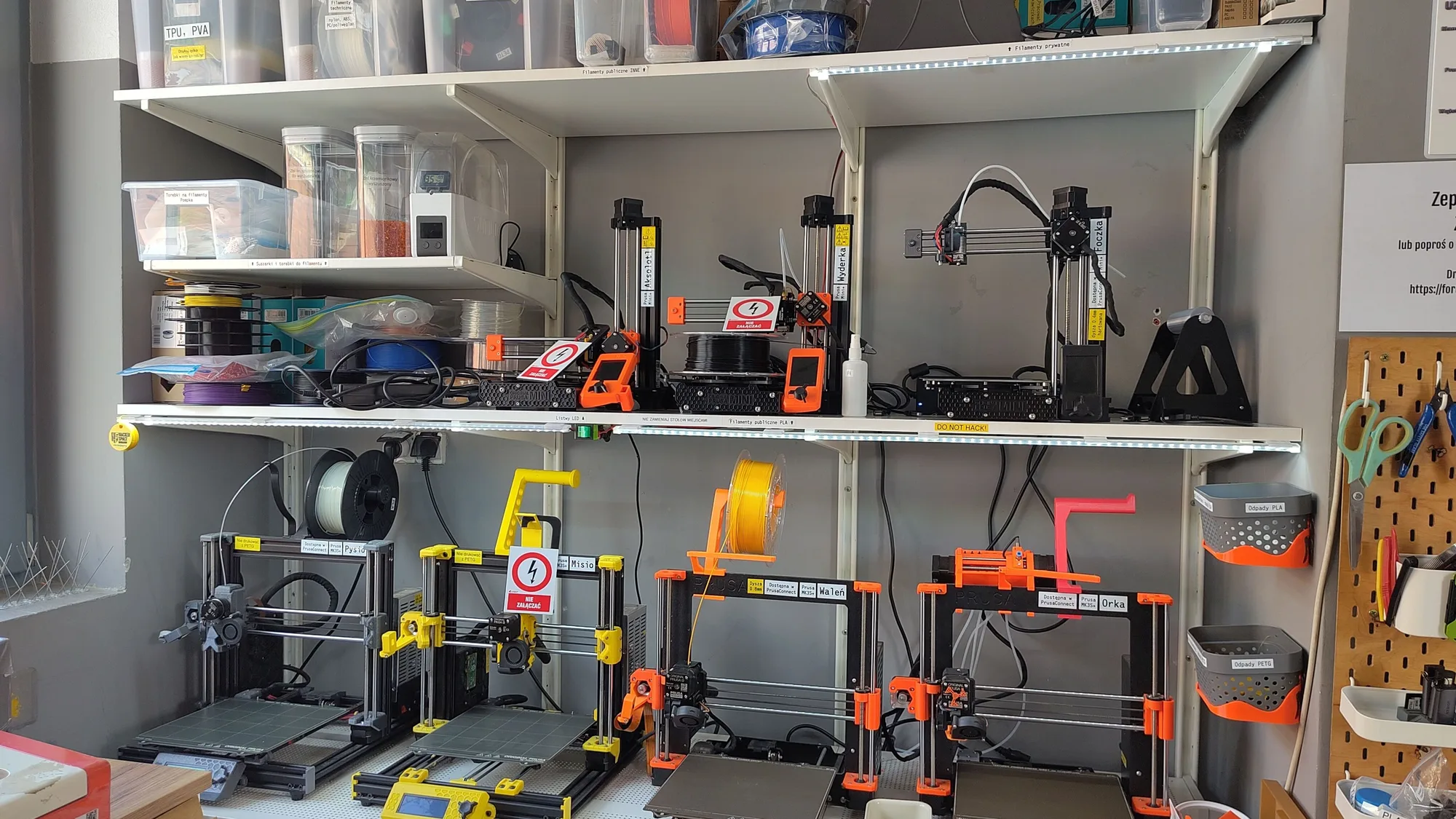
How Much Does It Cost to Run a 3D Printer in the UK?
Filament is usually the big cost and electricity the small one. Here is the maths with a worked example, plus the hidden costs people forget.
10 October 2026 · 2 min read
How to Fix a Nozzle That Is Too Close to the Bed (Z Offset)
A nozzle set too close squashes the first layer and can scrape the plate. Here is how to recognise it, raise the Z offset safely and make the setting stick.
10 October 2026 · 4 min read
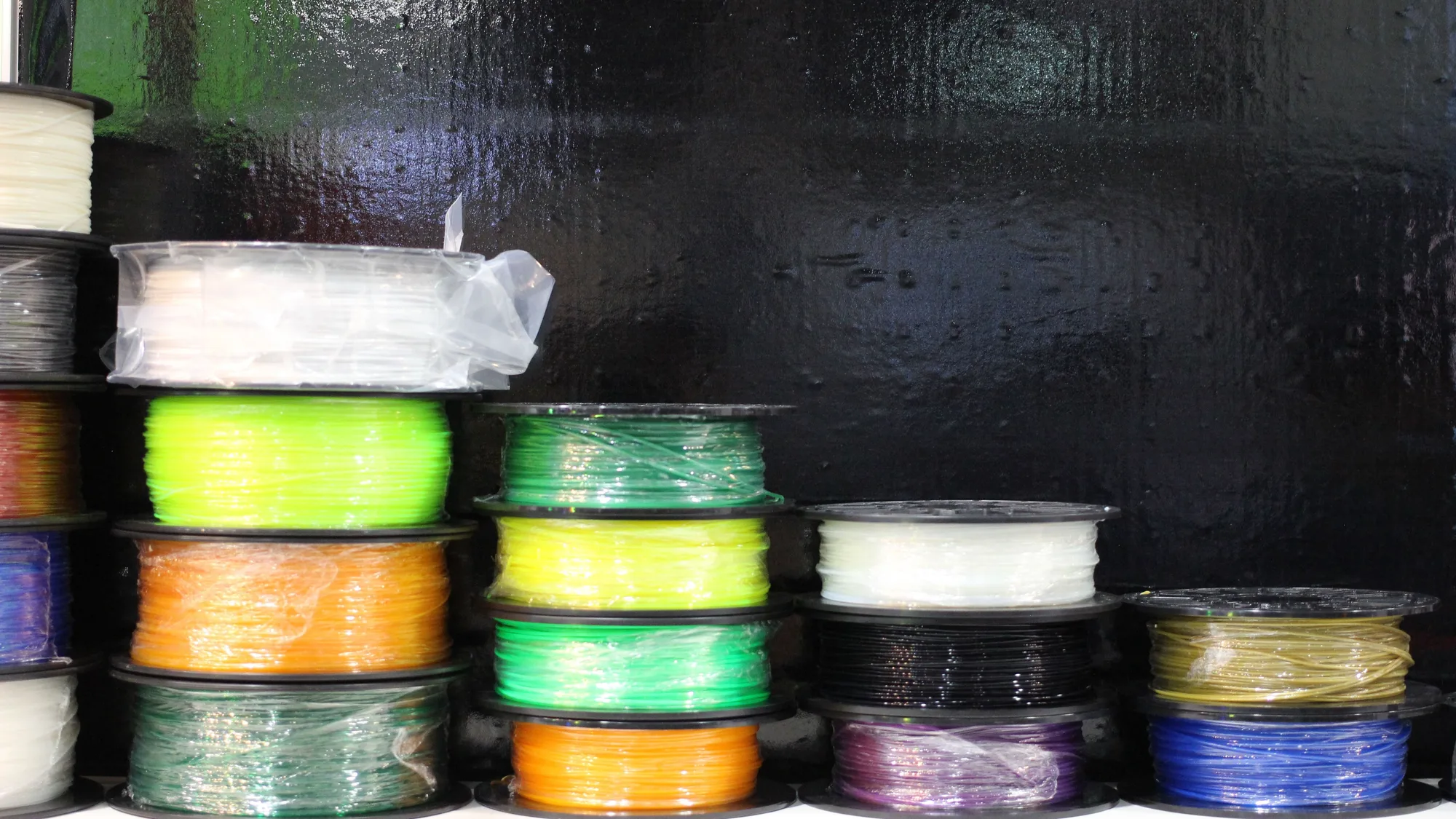
PLA vs PETG vs ABS vs TPU: Which Filament Should You Use?
Four materials cover most home printing. Here is what each is good at, what it demands from your printer, and how to choose without overthinking it.
10 October 2026 · 2 min read