What Is ASA Filament? Outdoor-Ready Plastic Explained
ASA is a tough, UV-resistant filament that suits outdoor parts but warps and needs an enclosure. Learn what it is, what it needs, and how it differs from ABS.
By Sepehr Sabbagh-pour · Published · 6 min read
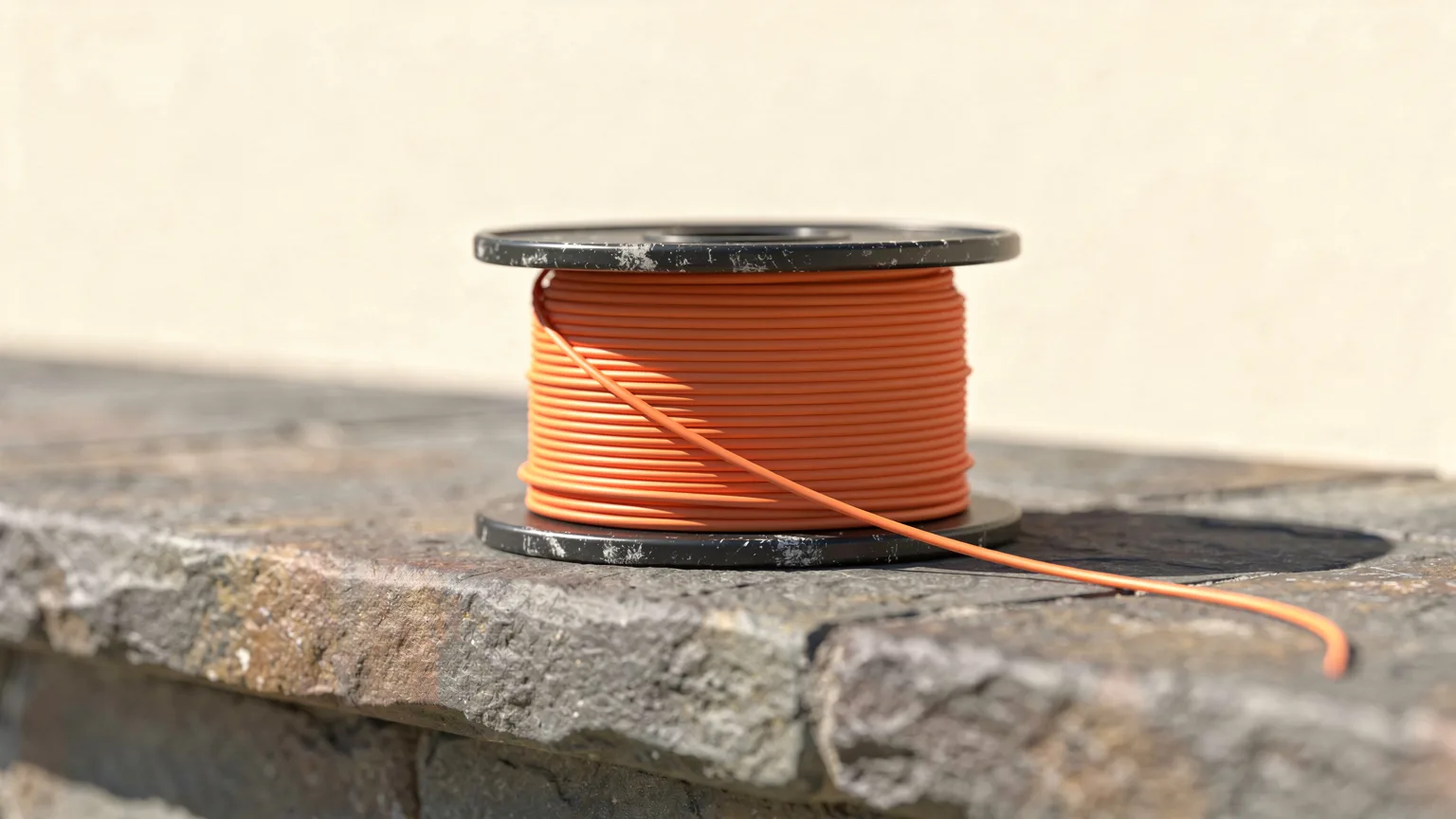
ASA filament is a 3D printing plastic made from acrylonitrile styrene acrylate. It is a close relative of ABS with much better UV and weather resistance, so it suits parts that live outdoors. It still warps, needs a hot bed and releases fumes. This research-based explainer covers what ASA is and when to use it.
What is ASA filament made of?
ASA stands for acrylonitrile styrene acrylate. Wikipedia describes it as an acrylate rubber-modified styrene acrylonitrile copolymer: rubber particles, usually n-butyl acrylate, grafted with styrene-acrylonitrile chains and embedded in a styrene-acrylonitrile matrix.
It is structurally very similar to ABS. The difference is the rubber. Wikipedia says the acrylate rubber lacks the double bonds of the butadiene rubber in ABS, which is what makes ASA far more resistant to sunlight and weather. Prusa's knowledge base calls ASA a technical material and the successor to ABS.
ASA filament properties at a glance
The figures below come from Prusa's ASA and ABS knowledge base articles and Wikipedia. Other makers publish different numbers, so use the range printed on your own spool.
| Property | ASA | ABS |
|---|---|---|
| UV and weather resistance | High; about ten times ABS according to Wikipedia | Lacking; outdoor parts yellow and turn brittle (Prusa) |
| Glass transition | 100 °C (Wikipedia) | 105 °C (Wikipedia) |
| Heat resistance | Up to 93 °C (Prusa) | Good (Prusa) |
| Nozzle temperature | 260 °C recommended (Prusa) | 255 °C recommended (Prusa) |
| Bed temperature | 105 °C first layer, 110 °C after (Prusa) | 100 °C, adjustable 80 to 110 °C (Prusa) |
| Warping | Significant, but less than ABS (Prusa) | More significant (Prusa) |
| Fumes | Potentially dangerous, styrene (Prusa) | More odor than ASA (Prusa) |
| Moisture | Partially hygroscopic (Prusa), mildly hygroscopic (Wikipedia) | Not listed in the sources used |
| Post-processing | Sand, glue, weld and smooth with acetone vapor | Sand, glue and smooth with acetone vapor |
Is ASA filament good for outdoor use?
Yes. Outdoor use is the reason ASA exists. Wikipedia says its acrylate rubber gives about ten times the weathering and ultraviolet resistance of ABS, and that ASA keeps its gloss, color and mechanical properties outdoors. Prusa lists high UV resistance first among ASA's advantages and recommends it for outdoor parts.
Typical uses are garden and balcony brackets, sensor housings, mounts, signage, fan shrouds and other parts that sit in sun or rain. Wikipedia notes the same material is used commercially for siding, exterior vehicle parts and outdoor furniture. These are material-level facts; a given spool and part design will still behave differently.
What are the downsides of ASA filament?
The main downsides of ASA are significant warping, the need for an enclosure on large parts, fumes, high print temperatures and some moisture absorption. Prusa lists all of these as cons.
- Warping. Prusa says it is caused by temperature differences between the model and its surroundings. ASA warps less than ABS but still lifts corners on large parts.
- Enclosure. Prusa calls an enclosure necessary for large parts. Our guide to enclosed vs open-frame 3D printers explains what that means for your printer choice.
- Fumes. Prusa warns of potentially dangerous styrene fumes and advises good ventilation without a draft across the print.
- High temperatures. About 260 °C on the nozzle and 105 to 110 °C on the bed rules out some entry-level hardware. Check your printer's rated limits and see hotends and nozzle materials.
- Moisture. Wikipedia says ASA is mildly hygroscopic, so drying may be needed. Our guide on how to dry filament covers the method; follow your filament maker's drying temperature.
Is ASA better than ABS?
ASA is better than ABS for anything exposed to sunlight, and the two are otherwise similar. Prusa describes ABS as basically a predecessor of ASA, with slightly worse UV resistance and more significant warping and odor during printing. Wikipedia adds that ASA resists environmental stress cracking better, especially against alcohols and many cleaning agents.
For a bracket that stays indoors, ABS is usually adequate and is often cheaper. For a part in sunlight, choose ASA. The full comparison is in ASA vs ABS.
Do you need an enclosure to print ASA?
An enclosure is needed for large parts and advisable for most ASA printing. Prusa says that without one you should enable the draft shield in PrusaSlicer, under Skirt and Brim, to keep the model warmer. Small flat parts may print on an open-frame machine, but large parts are likely to warp.
Prusa also warns that printing large amounts of ASA in an unventilated enclosure can deform plastic printer parts such as the fan shroud and extruder. Ventilate the room and follow your printer maker's guidance.
What settings does ASA filament use?
Prusa recommends a nozzle at 260 °C and a bed at 105 °C for the first layer and 110 °C afterwards, on a smooth or powder-coated PEI sheet with a glue stick. Glass may need a thin layer of acetone with dissolved ASA or ABS, but Prusa says never to apply acetone or ABS/ASA juice to a powder-coated sheet. Treat these as a starting point and follow the label on your spool; our ABS print settings guide covers the closely related enclosure and cooling questions.
Is ASA filament toxic?
Prusa says ASA releases potentially dangerous fumes, naming styrene, and advises printing in a well-ventilated area without a draft over the print. This site does not give health advice. Follow the printer and filament maker's guidance, read the safety data sheet for your spool, and see our 3D printer safety basics.
How is ASA post-processed?
ASA is easy to finish. Prusa says it can be sanded wet or dry, glued or welded with acetone, and smoothed with acetone vapor for a glossy finish, though smoothing tends to reduce fine detail and sharp edges. If you are budgeting a project, the print cost calculator helps estimate material cost per part.
Frequently asked questions
What is ASA filament?
ASA filament is a 3D printing plastic made from acrylonitrile styrene acrylate. Wikipedia describes ASA as an acrylate rubber-modified styrene acrylonitrile copolymer, developed as an alternative to ABS with better weather resistance. Prusa calls it a technical material and the successor to ABS, suitable for outdoor use because of its UV and temperature resistance. Prusa recommends about 260 °C on the nozzle and 105 to 110 °C on the bed, and lists significant warping, potentially dangerous styrene fumes and the need for an enclosure on large parts as the main drawbacks. It is mainly chosen for parts that live outside or in sunlight, such as brackets, housings and fan shrouds.
Is ASA filament good for outdoor use?
Yes, outdoor use is the main reason to choose ASA. Wikipedia says its acrylate rubber gives ASA about ten times the weathering and ultraviolet resistance of ABS, and that it keeps its gloss, color and mechanical properties in outdoor exposure. Prusa agrees, listing high UV resistance as a key advantage and recommending ASA for outdoor parts, where ABS turns yellowish and brittle. ASA is also described as having good temperature resistance, with Prusa quoting heat resistance up to 93 °C. Those figures are for the material in general, so check your own spool's datasheet, and remember that a part left in a hot car or in direct summer sun can still get warm.
Is ASA better than ABS?
ASA is better than ABS for anything exposed to sunlight, and the two are otherwise similar. Prusa says ABS is basically a predecessor of ASA, with slightly worse UV resistance and more significant warping and odor during printing. Wikipedia lists a glass transition temperature of 100 °C for ASA against 105 °C for ABS, and says ASA resists environmental stress cracking better, especially against alcohols and many cleaning agents. Both need an enclosure, ventilation and a hot bed, and both can be smoothed with acetone vapor. For indoor parts ABS is often cheaper and perfectly adequate. Our ASA vs ABS comparison goes through the choice in more detail.
Do you need an enclosure to print ASA?
An enclosure is needed for large parts and strongly advisable for most ASA printing. Prusa says warping is ASA's main disadvantage, caused by temperature differences between the model and its surroundings, and that an enclosure is necessary for large parts. Without one, Prusa suggests enabling the draft shield in PrusaSlicer, under Skirt and Brim, to keep the model warmer. Small flat parts may be manageable on an open-frame printer, but corners and long edges are likely to lift. Prusa also warns that printing large amounts of ASA in an unventilated enclosure can deform plastic parts such as the fan shroud, so ventilate the room and follow your printer maker's guidance.
Is ASA filament toxic?
Prusa says ASA releases potentially dangerous fumes while printing and names styrene specifically, so it advises printing in a well-ventilated area without creating a draft across the print. This site does not give health or safety advice, so follow the guidance from your printer maker and your filament maker on enclosures, ventilation and handling. Prusa notes that ABS produces more odor during printing than ASA, but a lower smell is not the same as a safe fume level. Read our general 3D printer safety basics page, keep the printer out of the room where you sleep, and check the safety data sheet for your specific filament before you start printing ASA.
Sources

Founder and editor
Software engineer since 2009 and Head of Engineering by day, a maker who has owned several 3D printers, writing practical guides to 3D printers, filament and running costs, with every article saying what was and was not tested.
Drafted with AI assistance, then edited and reviewed by Sepehr before it goes live. How we use AI.
Keep reading
Types of 3D Printer Filament: PLA, PETG, ABS, TPU and More
Six plastics cover most home printing, plus filled and specialty blends. Here is what each is good at, what it demands from your…
 AI illustration
ASA vs ABS: Differences and When to Choose Each
ASA is the UV-stable successor to ABS with less warping and odor. Here is how they compare on temperature, outdoor use, printing…
 AI illustration
Cheap vs Premium Filament: What Actually Differs
Premium PLA costs more than budget PLA, yet the stated tolerance is often the same. What the extra money buys when you compare…