Bambu Lab A1 vs A1 mini: Spec Comparison
The A1 and A1 mini share speed, acceleration and AMS lite support. The A1 has a larger build volume and hotter bed. Here is the spec and price gap.
By Sepehr Sabbagh-pour · Published 10 October 2026 · 5 min read
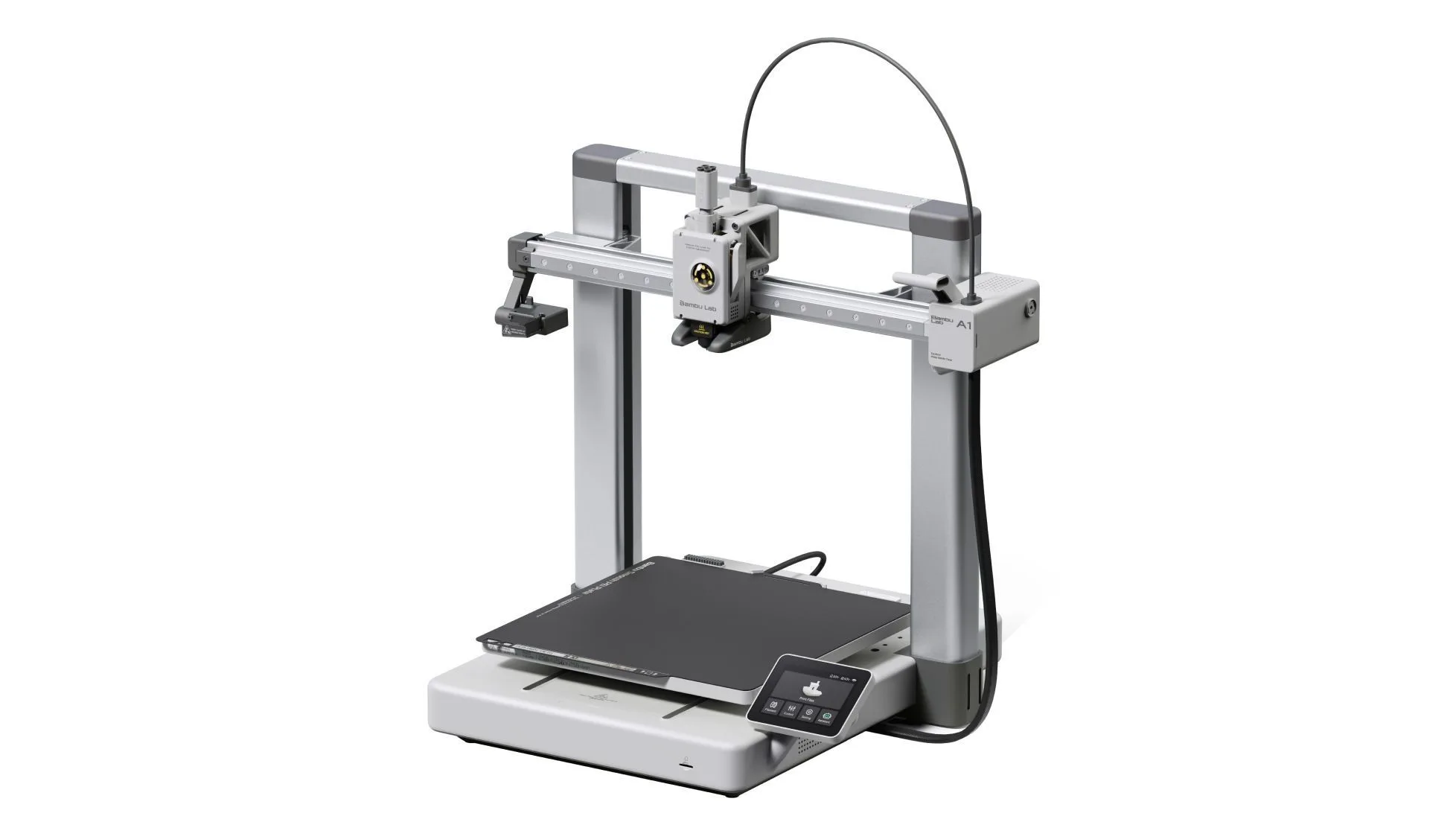
Research only. This comparison uses the specifications and prices on Bambu Lab's UK store product pages, read on 2026-10-10. Nozzle Notes has not tested either printer, so the speed and quality figures are the maker's claims. The selection method is simple: the two products share a name and a line, and every number below comes from the maker's page.
The short answer
- Pick the A1 mini if price and desk space matter most and your parts fit in a 180 mm cube.
- Pick the A1 if you want a 256 mm cube, a bed that reaches 100 °C and room for larger models. It costs 60 GBP more as a bare printer on the UK store.
On the headline performance numbers, Bambu Lab lists the two printers identically. Both are open-frame bed-slingers, and both take the AMS lite for multi-color printing.
A1 vs A1 mini specs side by side
| Spec | Bambu Lab A1 | Bambu Lab A1 mini |
|---|---|---|
| Build volume | 256 x 256 x 256 mm | 180 x 180 x 180 mm |
| Max toolhead speed | 500 mm/s | 500 mm/s |
| Max acceleration | 10,000 mm/s2 | 10,000 mm/s2 |
| Max hot end temperature | 300 °C | 300 °C |
| Max build plate temperature | 100 °C | 80 °C |
| Nozzle | 0.4 mm stainless steel included (0.2, 0.6, 0.8 mm optional) | 0.4 mm stainless steel included (0.2, 0.6, 0.8 mm optional) |
| Supported filament | PLA, PETG, TPU, PVA | PLA, PETG, TPU, PVA |
| Build plate included | Bambu Textured PEI Plate | Bambu Textured PEI Plate |
| Other plates listed | Smooth PEI, Dual-Texture PEI, High Temperature, Cool Plate | Smooth PEI |
| Camera | Low frame rate, up to 1080P, timelapse | Low frame rate, up to 1080P, timelapse |
| Printer dimensions | 465 x 410 x 430 mm | 347 x 315 x 365 mm |
| Net weight | 8.3 kg | 5.5 kg |
| Multi-color | AMS lite (one unit supported) | AMS lite |
Supported-filament and "not recommended" lists on both pages put ABS, ASA, PC, PA, PET and carbon or glass fiber materials in the not recommended group. Bambu Lab's A1 FAQ also says it does not recommend enclosing the A1.
What the differences mean in practice
Build volume
The A1 offers about 2.9 times the volume of the A1 mini (256 cubed against 180 cubed). In plain terms, a helmet-sized part fits the A1; Bambu Lab's own A1 page uses a helmet as its example. The A1 mini suits figures, brackets and organizers. Our explainer on build volume shows how to judge the size you need.
Bed temperature
The A1 bed reaches 100 °C against 80 °C on the mini. Check the bed temperature printed on your filament spool: the extra headroom on the A1 matters most for materials that call for a hotter bed.
Size and weight
The A1 mini weighs 5.5 kg and fits in a 347 x 315 x 365 mm footprint. The A1 is 8.3 kg and 465 x 410 x 430 mm. If you have a small shelf or want to move the printer often, the mini is easier to place.
Multi-color and AMS
Both are sold with and without the AMS lite. The AMS lite handles four spools. The A1 FAQ states it supports only one AMS lite, so four colors is the practical limit on the A1 line. Our multicolor printing explainer covers what that means in waste and print time.
Price gap
Bambu Lab UK store prices on 2026-10-10 (GBP, as shown on the page; the US store redirected to the UK store when fetched):
| Version | A1 | A1 mini |
|---|---|---|
| Printer only | 209 GBP | 149 GBP |
| Combo with AMS lite | 319 GBP | 259 GBP |
The A1 combo page also lists a "Print with Care" bundle at 359 GBP. The gap is 60 GBP for the bare printer and 60 GBP for the combo. Prices move with sales, so check the store before buying.
Plates and accessories
Both ship with the Bambu Textured PEI Plate. The A1 page lists four further plate options (Smooth PEI, Dual-Texture PEI, High Temperature and Cool Plate), while the A1 mini page lists only the Smooth PEI plate as an alternative. If you want to try several surfaces, the A1 has more choice on the maker's own listing.
Both pages list 0.2, 0.6 and 0.8 mm nozzles as optional extras. Our nozzle sizes explained guide covers what each size is for.
Support period and what the spec sheets leave out
The A1 mini page states Bambu Lab's guaranteed software support: bug fixes and feature updates until 20 September 2028, and security patches until 20 September 2030. The A1 page read for this article does not list a date, so no like-for-like comparison is possible. Bambu Lab adds that its products continue to work after those periods with the same feature availability.
A spec sheet cannot show print quality, noise, reliability or how well the slicer handles your files. Those need hands-on testing, which has not been done here. If you are weighing a first purchase more widely, the first printer guide lists the questions to ask, and the starter kit guide covers what else to buy on day one.
Choose A if, choose B if
- Choose the A1 mini if the budget is tight, you print small parts, or you are short of space.
- Choose the A1 if you expect to print anything bigger than 180 mm, or want the 100 °C bed.
- Consider neither if you want to print ABS or ASA. Our A1 vs P1S comparison covers the enclosed option.
For single-brand context, the Bambu Lab UK guide lists where to buy and what is included, and the first-look pages for the A1 and A1 mini have the launch details.
Frequently asked questions
Is the Bambu Lab A1 faster than the A1 mini?
Not on paper. Bambu Lab lists both with a 500 mm/s maximum toolhead speed and 10,000 mm/s2 acceleration. Real print times were not tested here.
What is the build volume difference between the A1 and A1 mini?
The A1 is listed at 256 x 256 x 256 mm and the A1 mini at 180 x 180 x 180 mm.
How much more does the A1 cost than the A1 mini?
On the Bambu Lab UK store on 2026-10-10 the A1 was 209 GBP against 149 GBP for the A1 mini, and the AMS lite combos were 319 GBP and 259 GBP.
Can the A1 or A1 mini print ABS?
Bambu Lab lists ABS and ASA as not recommended for both printers, which are open frame. The supported filaments are PLA, PETG, TPU and PVA.
Sources

Founder and editor
Software engineer since 2009 and Head of Engineering by day, a maker who has owned several 3D printers, writing practical guides to 3D printers, filament and running costs, with every article saying what was and was not tested.
Keep reading
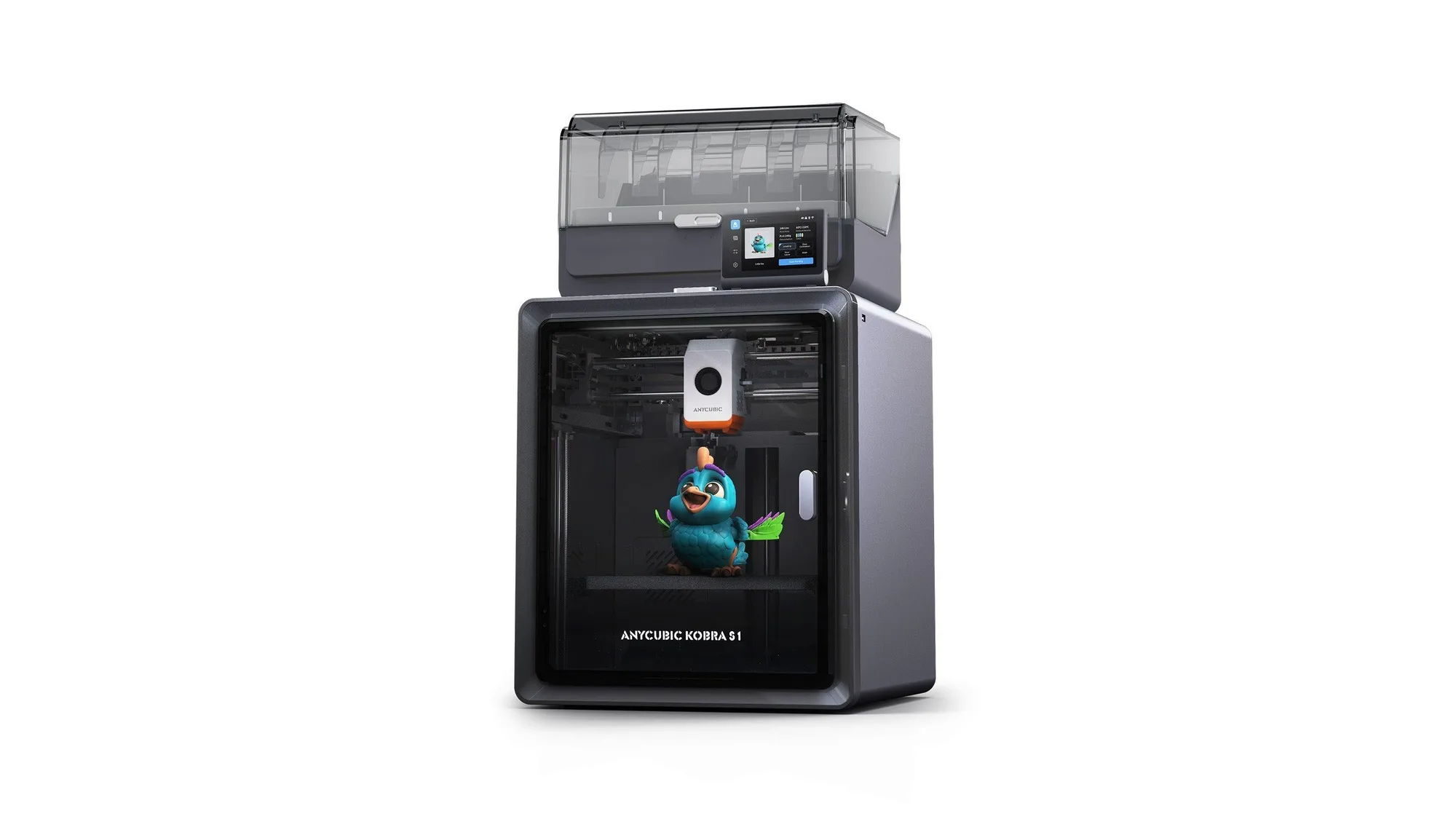
Anycubic Kobra S1: Specs, Price and Who It Suits
Anycubic Kobra S1 Combo specs, launch price and who it suits, from Anycubic's own pages. Not tested by us.
10 October 2026 · 5 min read
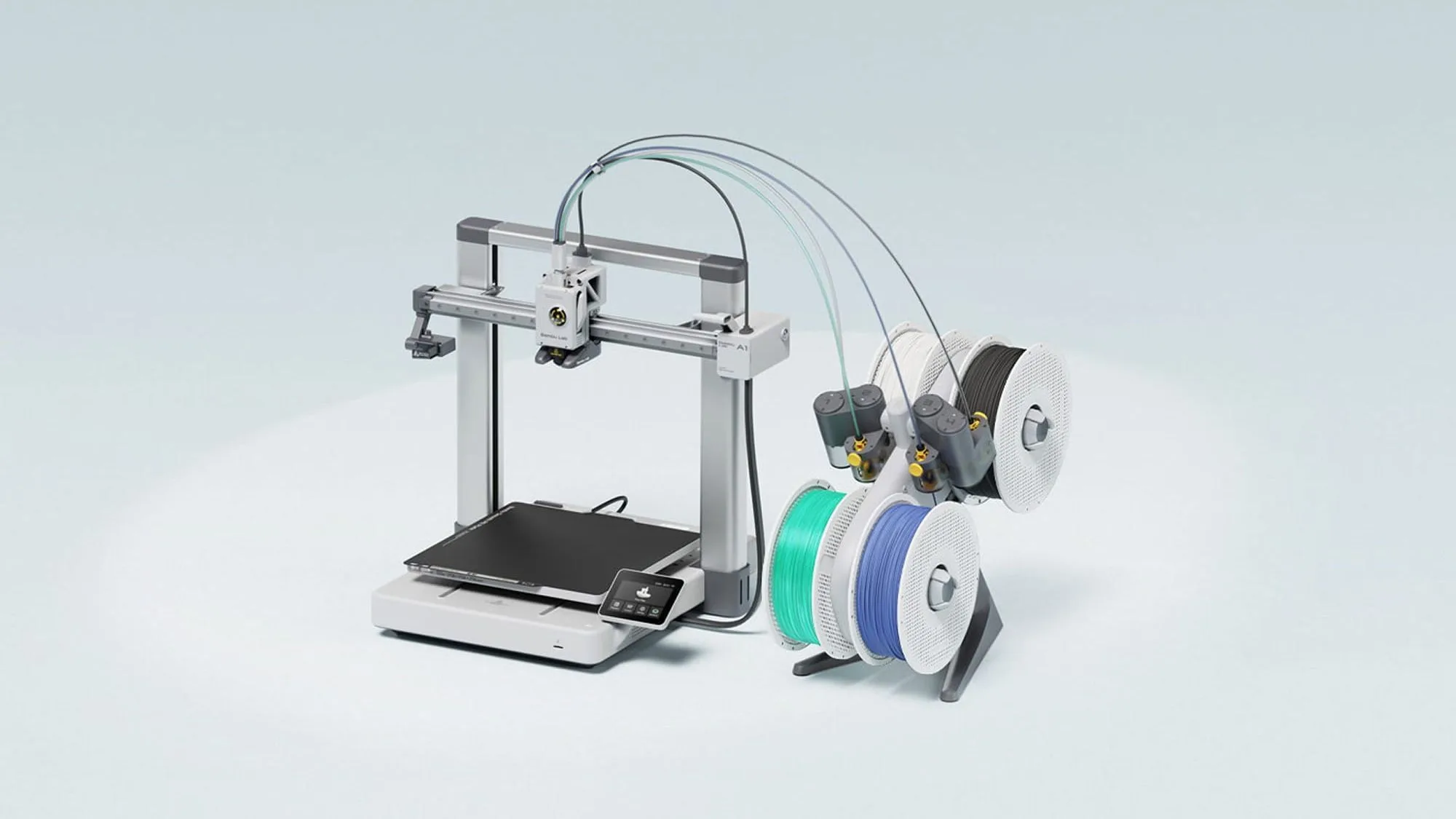
Bambu Lab A1: Specs, Price and Who It Suits
The Bambu Lab A1 is an open-frame 256 mm bed slinger sold from £209 in the UK store. Here are the maker's specs, prices and who it suits. Not tested by Nozzle Notes.
10 October 2026 · 5 min read
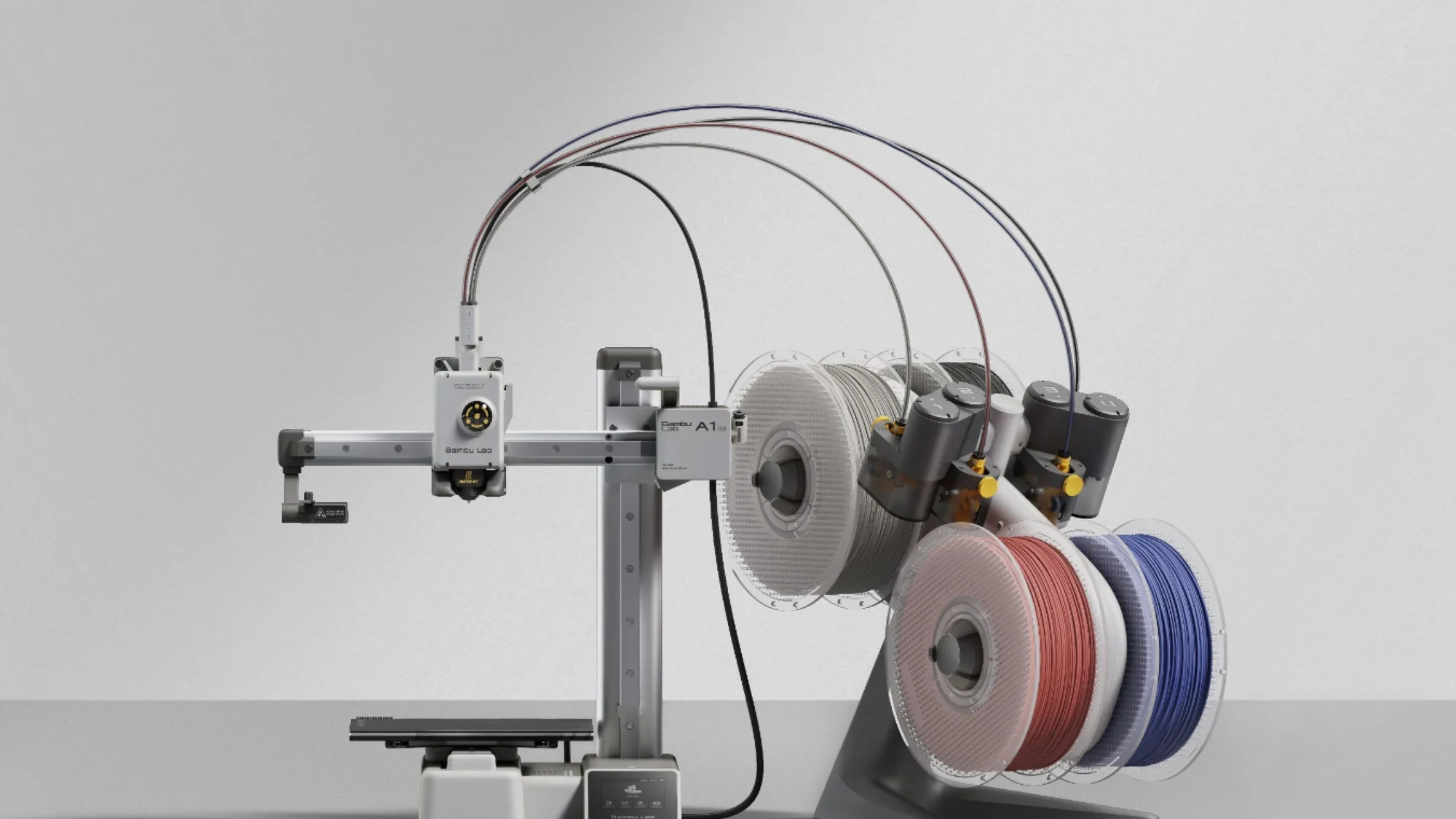
Bambu Lab A1 mini: Specs, Price and Who It Suits
The Bambu Lab A1 mini is the smallest and cheapest current Bambu Lab printer here at £149 in the UK store. Maker specs, prices and who it suits. Not tested by Nozzle Notes.
10 October 2026 · 5 min read